




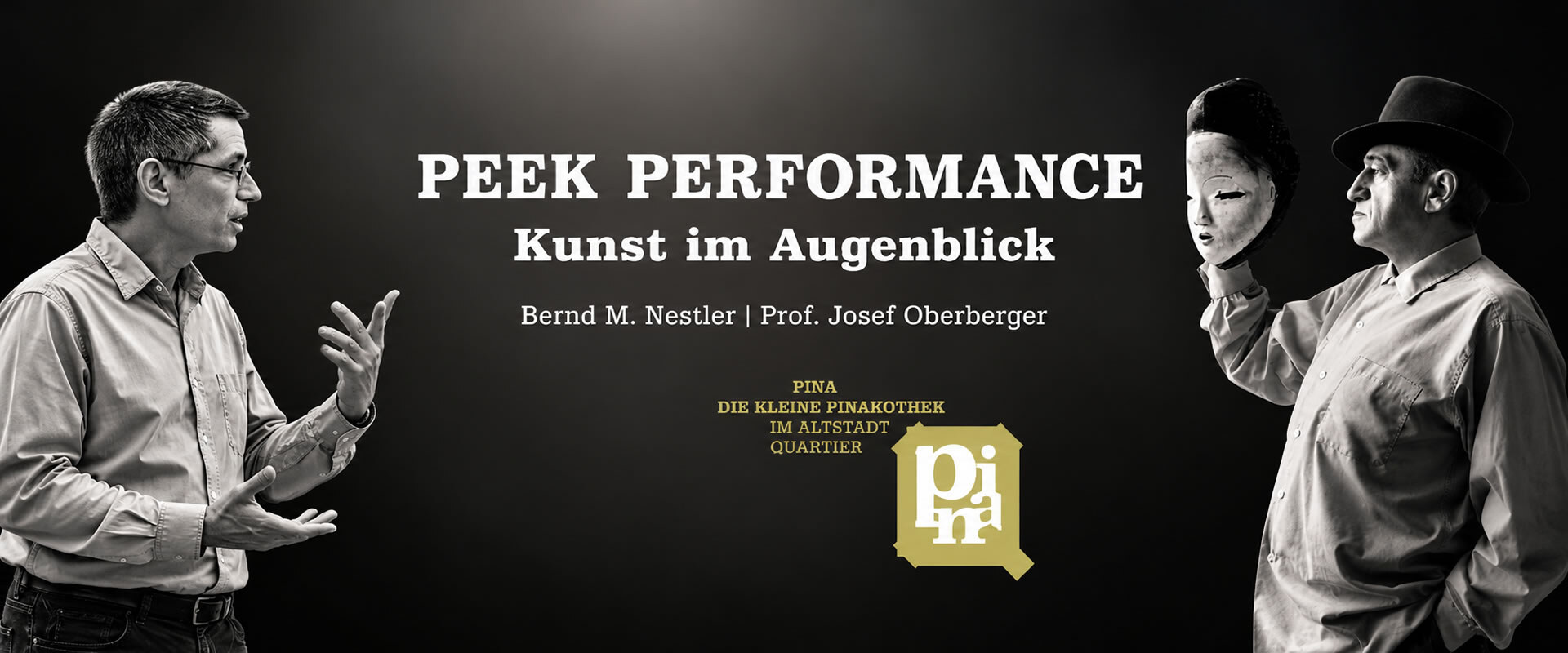
Bernd M. Nestler and Prof. Josef Oberberger
Bernd M. Nestler was recognised early on by Prof. Josef Oberberger as more than a protégé: a fellow artist. He presents works born in an instant, using ink to illuminate the vulnerability of the soul, immersed in a world of colours and forms that springs from his light-painting technique.
In this context, the Oberberger Foundation remembers Prof. Josef Oberberger as an artist who, with subtle humour, formed his own view of the world in every moment, revealing remarkable depths in many of his works.
The exhibition “Peek Performance – Art in the Moment” invites visitors to the AltstadtQuartier Münchner Hof to encounter two artists of great importance to Regensburg in all their humanity.
Whether abstract or figurative, these moments captured for eternity offer a gentle reminder: there is always room for a smile.
Exhibition & Opening Hours
| Exhibition | PEEK PERFORMANCE |
| Subtitle | Art in the Moment |
| Period | 21 November to 31 March 2026 |
| Opening Hours | Monday to Friday | 1:00 pm to 6:00 pm |
PEEK PERFORMANCE – Art in the Moment
Two masters of their craft, brought together in one exhibition, explore the art of the moment.Bernd M. Nestler was recognised early on by Prof. Josef Oberberger as more than a protégé: a fellow artist. He presents works born in an instant, using ink to illuminate the vulnerability of the soul, immersed in a world of colours and forms that springs from his light-painting technique.
In this context, the Oberberger Foundation remembers Prof. Josef Oberberger as an artist who, with subtle humour, formed his own view of the world in every moment, revealing remarkable depths in many of his works.
The exhibition “Peek Performance – Art in the Moment” invites visitors to the AltstadtQuartier Münchner Hof to encounter two artists of great importance to Regensburg in all their humanity.
Whether abstract or figurative, these moments captured for eternity offer a gentle reminder: there is always room for a smile.
Work 1
|
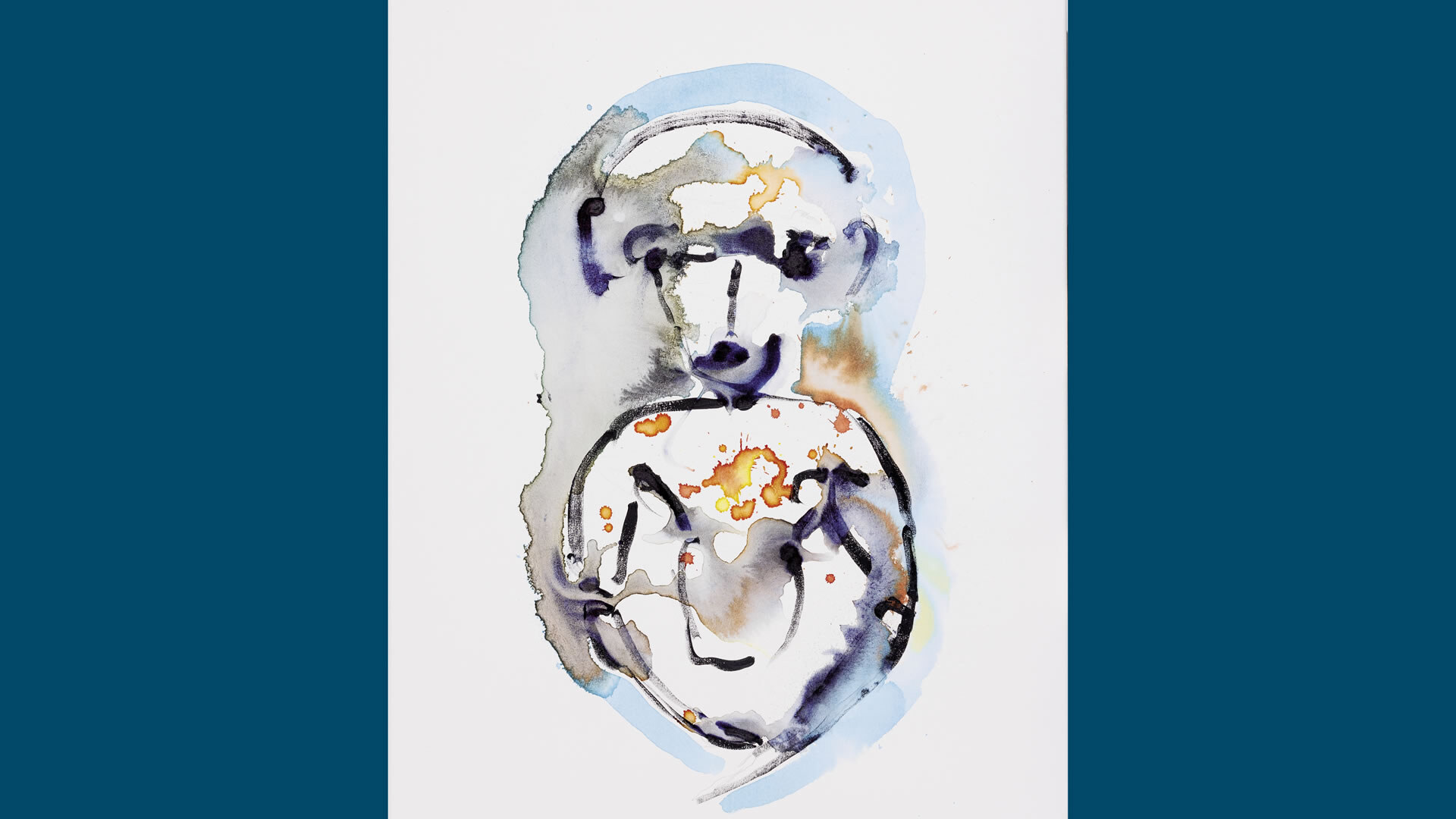
Bernd M. Nestler | Work 1 | 100 x 80 cm Coming from glass art, Bernd M. Nestler spent many years developing a technique that captures the colours refracted light sometimes reveals for only a fraction of a second. He draws on this spectrum in his light-painting technique, using graphite and ink on canvas to make the light and colours of a fleeting moment last. |
Work 2
|
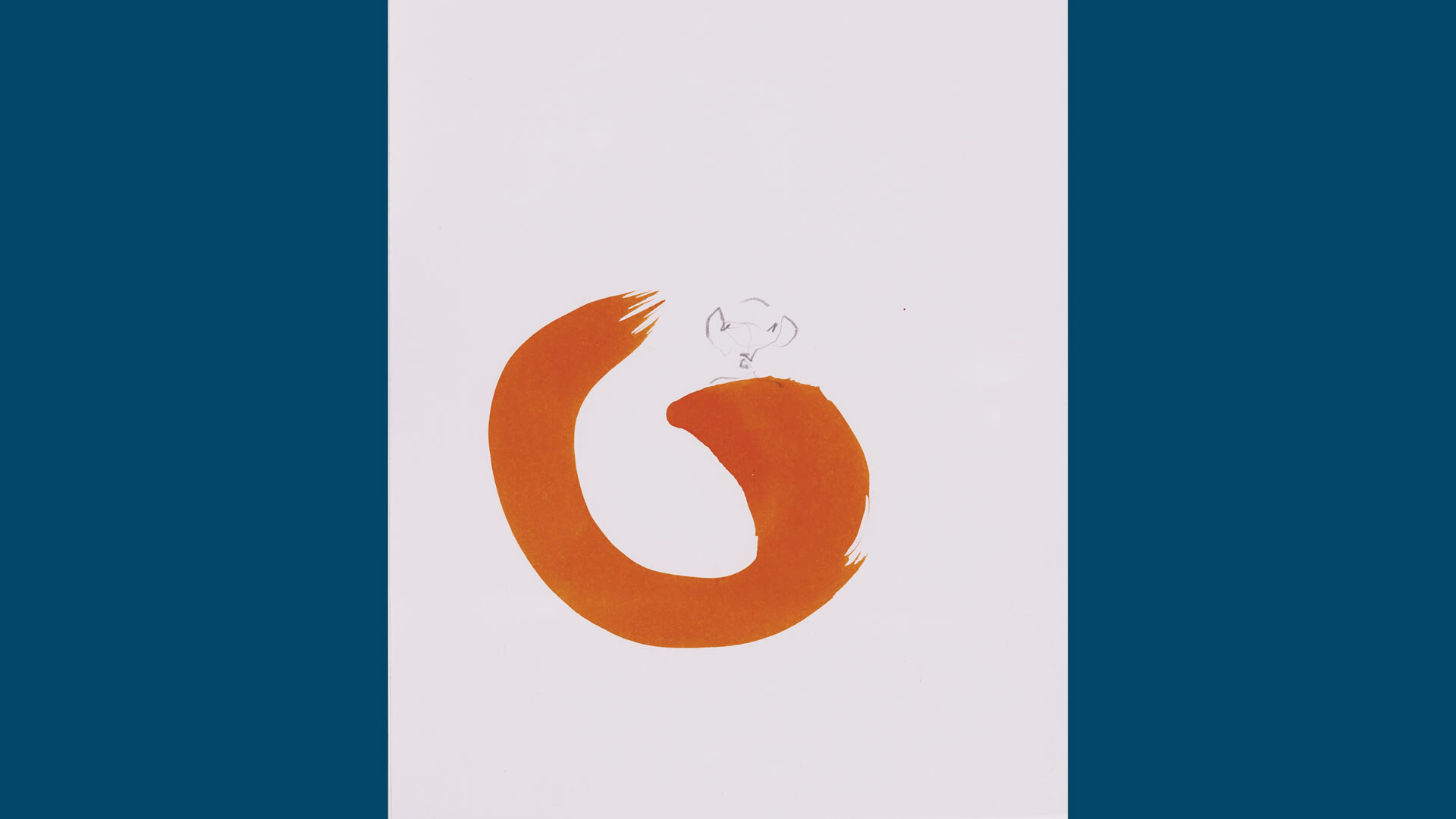
Bernd M. Nestler | Work 2 | 30 x 21 cm During the pandemic, he began his series of “Five-Second Drawings”. Graphite and coloured inks on canvas and paper invite viewers to find their own way into these vividly coloured snapshots created in the studio. “Colour against form, line against surface” is how Bernd M. Nestler describes his approach. |
Work 3
|
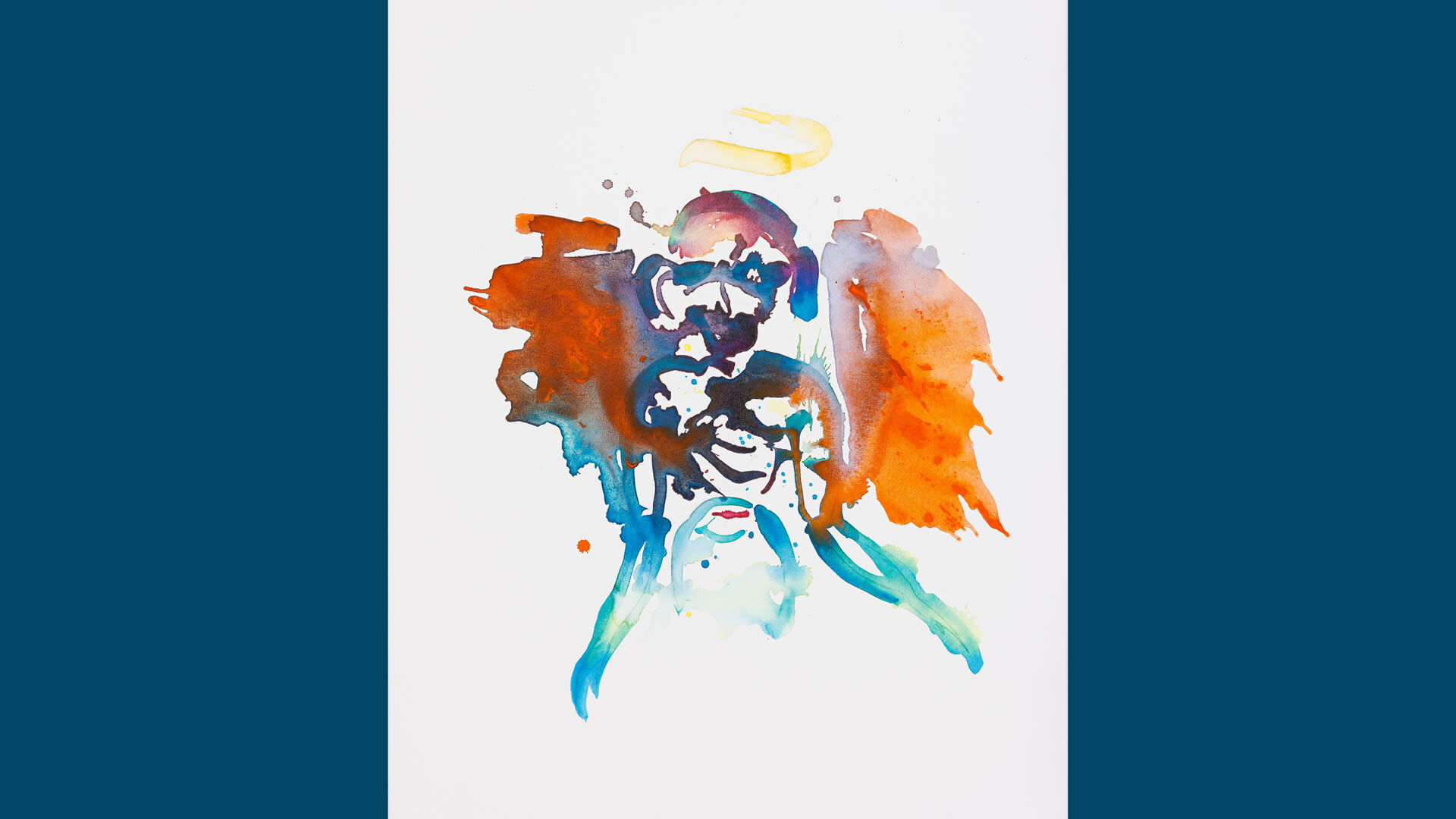
Bernd M. Nestler | Work 3 | 100 x 80 cm Every picture reveals something of the artist’s state of mind at that moment, giving viewers the opportunity to interpret what they see in the light of their own experience. Immersion in the artist’s world of colour sparks associations that form a deeply personal, sensory bridge between the work and its viewer. |
Kuss der Musé (Kiss of the Muse)
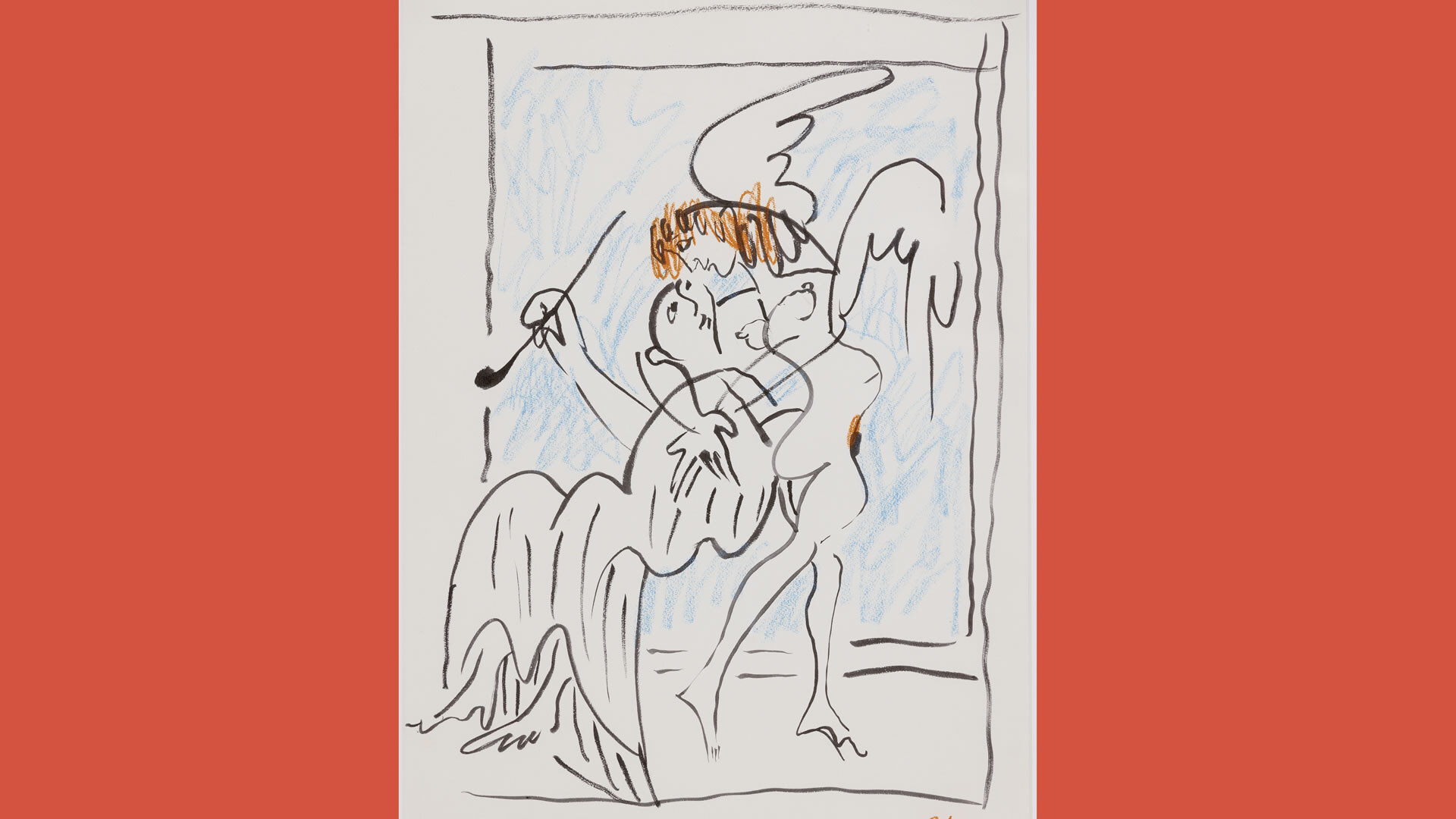
|
Prof. Josef Oberberger | Kuss der Musé (Kiss of the Muse) | 58 x 42 cm Professor Josef Oberberger was a master of many techniques and an attentive observer of his time and society. He successfully resisted the art market’s tendency to pigeonhole artists, celebrating himself in his drawings as a creative spirit poised between lofty honours and earthy desires. |
Obe und Gemahlin (Obe and His Wife)
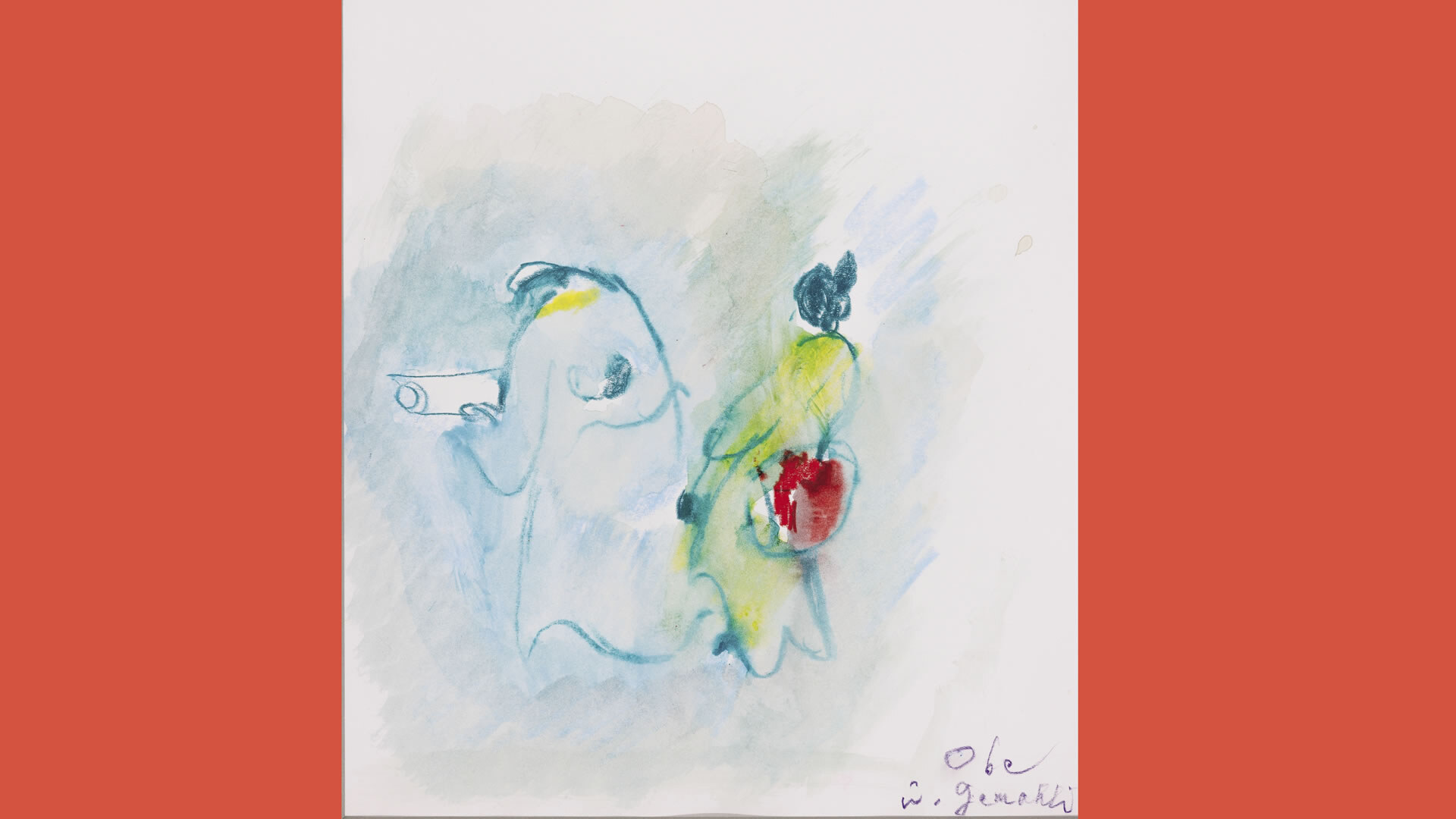
|
Prof. Josef Oberberger | Obe und Gemahlin (Obe and His Wife) | 33 x 30 cm Many of his pictures reveal an endearing sense of self-irony. Writer Gerd Holzheimer called him a “Zen painter from the land of the Bavarians”. Time spent abroad and study trips strengthened his openness to the world. He summed up his love of Paris himself: “God is everywhere, but he has a small apartment in Paris.” |
Museumsbesucher (Museum Visitors)
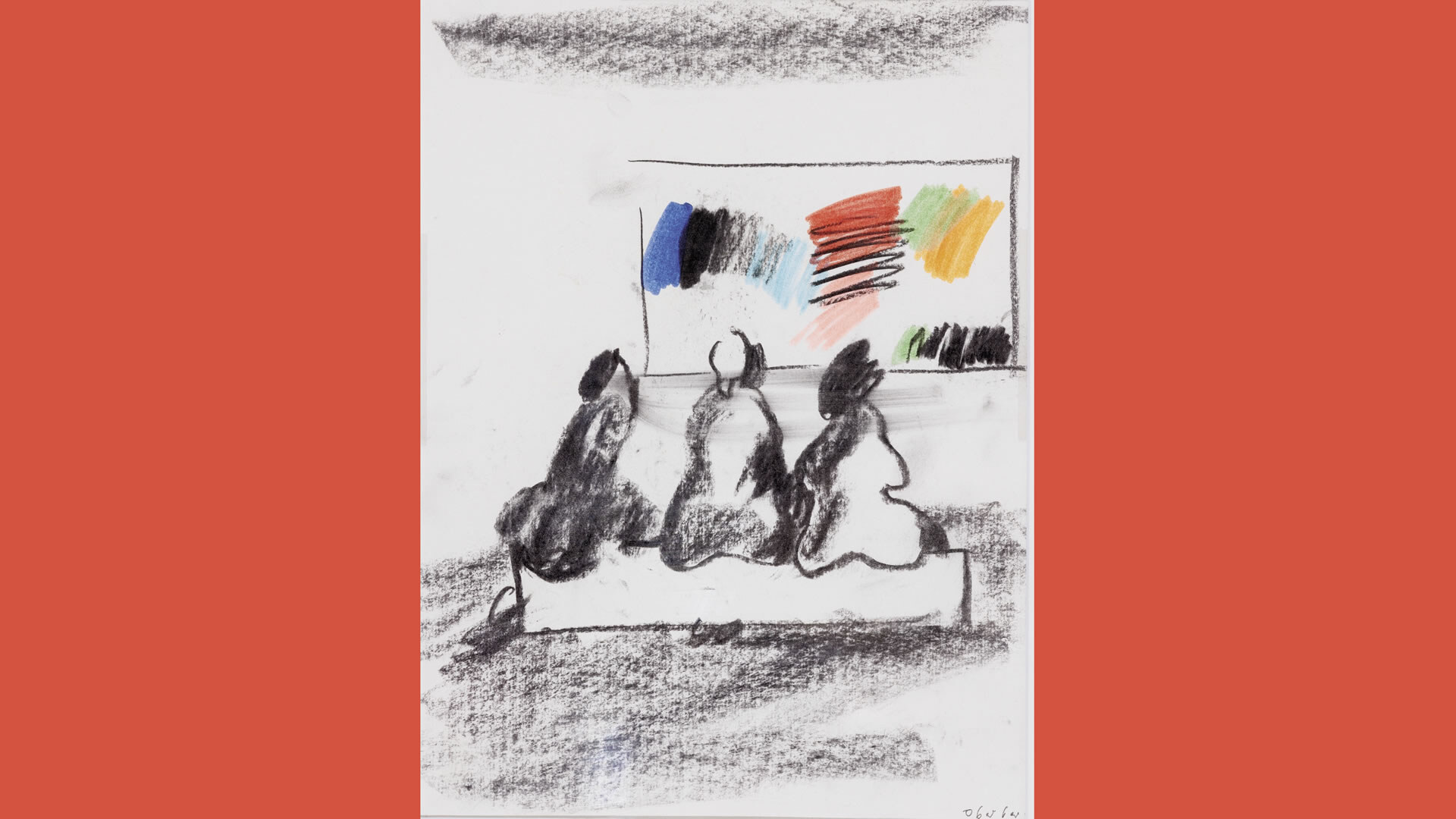
|
Prof. Josef Oberberger | Museumsbesucher (Museum Visitors) | 39 x 29 cm From the creative process, which he also recorded in numerous self-portraits, to the reception of art, which he explored with great humour from galleries to the opera, nothing escaped his watchful eye and assured line. From portraits of artists to pictures of muses, one quality speaks above all from his works: appreciation. |